
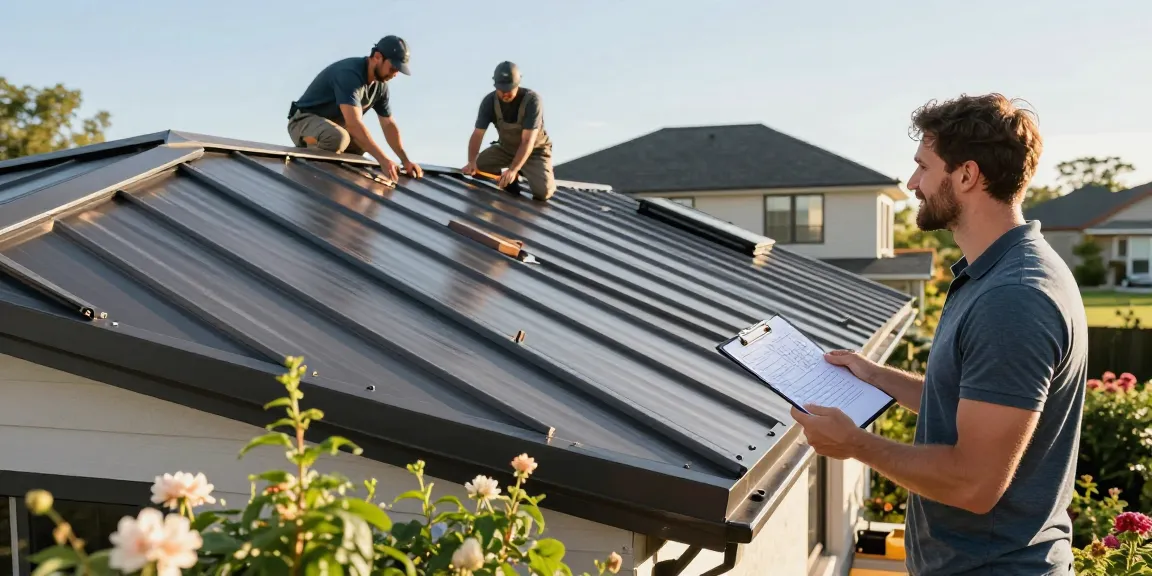
Understanding Metal Roofing: What You Need to Learn More
As homeowners in the Greater Toronto Area (GTA) consider their roofing options, metal roofing emerges as a top contender due to its durability, aesthetic appeal, and energy efficiency. In a region characterized by diverse weather conditions, including harsh winters and humid summers, it’s essential to choose a roofing material that can withstand the elements while adding value to your property. Metal roofing stands out as an excellent choice, making it imperative for homeowners to learn more about its advantages.
What Makes Metal Roofing a Popular Choice?
Metal roofing has gained immense popularity in recent years, particularly in urban settings like Toronto, for several compelling reasons:
- Weather Resistance: Metal roofs are designed to endure heavy snowfall, strong winds, and rain, ensuring longevity and reliability.
- Energy Efficiency: Many metal roofing materials are reflective, helping to reduce cooling costs during hot summer months.
- Aesthetic Versatility: Available in various styles and colors, metal roofing can complement nearly any architectural design.
- Eco-Friendly Options: Metal roofs are recyclable, making them a sustainable choice for environmentally conscious homeowners.
Key Benefits of Metal Roofing Over Traditional Options
When comparing metal roofing to traditional materials such as asphalt shingles or tiles, several advantages become clear:
- Longevity: Metal roofs often last 40-70 years, significantly longer than asphalt shingles, which typically require replacement every 15-20 years.
- Reduced Maintenance: Metal roofs require minimal upkeep compared to other roofing types, which might need frequent repairs and replacements.
- Fire Resistance: Made from non-combustible materials, metal roofs offer superior fire protection, which can lead to lower insurance premiums.
- Enhanced Property Value: The durability and aesthetic appeal of metal roofing can increase the resale value of a home.
Understanding Various Types of Metal Roofing Available
In Toronto, homeowners have access to a variety of metal roofing options, including:
- Steel Roofing: Known for its strength and affordability, steel roofing can be coated with zinc or paint for protection against rust.
- Aluminum Roofing: Lightweight and corrosion-resistant, aluminum is ideal for coastal areas, making it a great choice for homes near Lake Ontario.
- Galvanized Steel Roofing: Combining strength with a corrosion-resistant coating of zinc, this option is perfect for harsh weather conditions.
- Copper Roofing: While more expensive, copper offers stunning aesthetics and exceptional longevity, ideal for high-end residential properties.
Essential Facts About Metal Roofing in Toronto
It’s important for Toronto homeowners to understand how metal roofing can serve them best, especially given the unique challenges of the local climate.
How Metal Roofing Stands Against Weather Challenges
Toronto’s weather can be unpredictable, with heavy snowfall during winter and significant rainfall throughout the year. Metal roofing is engineered to handle these conditions effectively:
- Snow Shedding: The slope of metal roofs helps prevent snow accumulation, reducing the risk of ice dams that can damage roofs and interiors.
- Wind Resistance: Metal roofs are designed to withstand high winds, making them a viable option for storm-prone areas.
Energy Efficiency: The Key to Lower Utility Bills
Energy costs are a growing concern for homeowners. Metal roofs can significantly reduce heating and cooling expenses by reflecting sunlight and minimizing heat absorption.
- Cool Roof Technology: Many metal roofing products are treated with reflective coatings, which can lower energy bills by keeping homes cooler in the summer.
- Insulation Compatibility: Metal roofs can easily accommodate additional insulation, which further enhances energy efficiency.
Durability: Why Metal Roofing Lasts Longer
Investing in durable roofing is crucial for long-term savings. Metal roofs are resilient against a wide range of environmental factors:
- Rust and Corrosion Resistance: Coatings and treatments significantly extend the life of metal roofs, making them resistant to rust and corrosion.
- Impact Resistance: Metal roofs can withstand hail and debris, reducing the chances of leaks and damage.
Choosing the Right Metal Roofing Company: Learn More
Selecting a qualified roofing contractor is vital to ensure a successful installation. A reputable company will offer comprehensive services that cover all aspects of the project.
What to Look for in a Metal Roofing Contractor?
Before hiring a roofing contractor, consider the following:
- Experience: Look for contractors with extensive experience in metal roofing to handle the specific nuances of the material.
- Licensing and Insurance: Ensure the contractor is licensed and carries insurance to protect against potential liabilities.
Asking the Right Questions Before Hiring
Engaging potential contractors in a thorough discussion will help clarify their capabilities:
- References: Ask for references from previous clients and check their feedback on the contractor’s work quality.
- Warranty Details: Ascertain what warranties are offered on both the materials and the workmanship to protect your investment.
Reading Reviews and Testimonials: Building Trust
Client feedback is invaluable in assessing the reliability and quality of a roofing contractor:
- Online Reviews: Websites like Google, Yelp, and Angie’s List can provide insights into the contractor’s quality of service.
- Social Media: Check the contractor’s social media pages for customer interactions and feedback.
The Installation Process of Metal Roofing
Understanding the installation process can help homeowners set expectations for their project timeline and requirements.
Step-by-Step Guide to Professional Installation
A typical metal roofing installation consists of several key steps:
- Initial Assessment: Evaluating the current roof’s condition and the need for any repairs before installation.
- Material Selection: Choosing the right type and color of metal roofing that matches the home’s style.
- Preparation: Preparing the roof surface, which may include adding insulation and underlayment.
- Installation of Panels: Securing the metal panels, ensuring they are aligned and properly sealed.
- Finishing Touches: Installing flashings, trims, and any necessary accessories to complete the roofing system.
Tools and Materials Required for Installation
The installation team will need specialized tools and materials, including:
- Metal panels
- Fasteners and screws
- Underlayment and insulation materials
- Cutting tools for trimming panels
- Safety gear for workers
Common Mistakes to Avoid When Installing Metal Roofing
To prevent costly errors, homeowners should be aware of common pitfalls in metal roofing installation:
- Ignoring Local Building Codes: It’s essential to comply with municipal building codes to avoid legal issues.
- Poor Ventilation: Ensure proper attic ventilation to prevent heat buildup and moisture accumulation.
- Incorrect Fastening: Over-tightening or under-tightening screws can lead to leaks and wind damage.
Future Trends in Metal Roofing: What to Expect in 2026
The roofing industry continues to evolve, influenced by advancements in technology, changing consumer preferences, and environmental considerations. Here are some trends to watch:
Innovations in Metal Roofing Materials and Technologies
As sustainability becomes increasingly important, innovations are expected in materials:
- Recyclable Materials: Eco-friendly options that maintain aesthetic appeal while reducing environmental impact will gain traction.
- Smart Roofing Technologies: Integration of sensors in roofing materials for monitoring temperature and moisture levels.
Environmental Considerations and Sustainability in Roofing
With growing awareness of climate change, the demand for sustainable building practices will drive innovation:
- Green Certifications: Homeowners may prefer contractors who can provide certified eco-friendly roofing options.
- Energy Savings: Products that enhance energy efficiency, such as solar-reflective coatings, will be more widely adopted.
Predicted Market Trends for Metal Roofing Solutions
The metal roofing market is expected to see significant growth, driven by:
- Increased Durability Demands: Homeowners will continue to seek materials that promise extended lifespans.
- Customization Options: As aesthetic appeal becomes paramount, the demand for customized metal roofs will rise.
What are the benefits of installing metal roofing?
Metal roofing provides numerous benefits, including durability, energy efficiency, and low maintenance, making it a smart investment for homeowners.
How does metal roofing installation work?
The installation involves several steps, including assessment, material selection, preparation, installation, and securing the roofing materials.
What factors should you consider when choosing a roofing contractor?
Look for experience, insurance, licensing, references, and warranties offered to ensure a quality installation.
Is metal roofing suitable for all types of homes?
Yes, metal roofing can be customized to fit various architectural styles, making it a versatile option for all homes.
How can metal roofing affect energy efficiency?
Metal roofs reflect sunlight, reducing heat absorption in the summer and can help lower energy costs significantly.
