
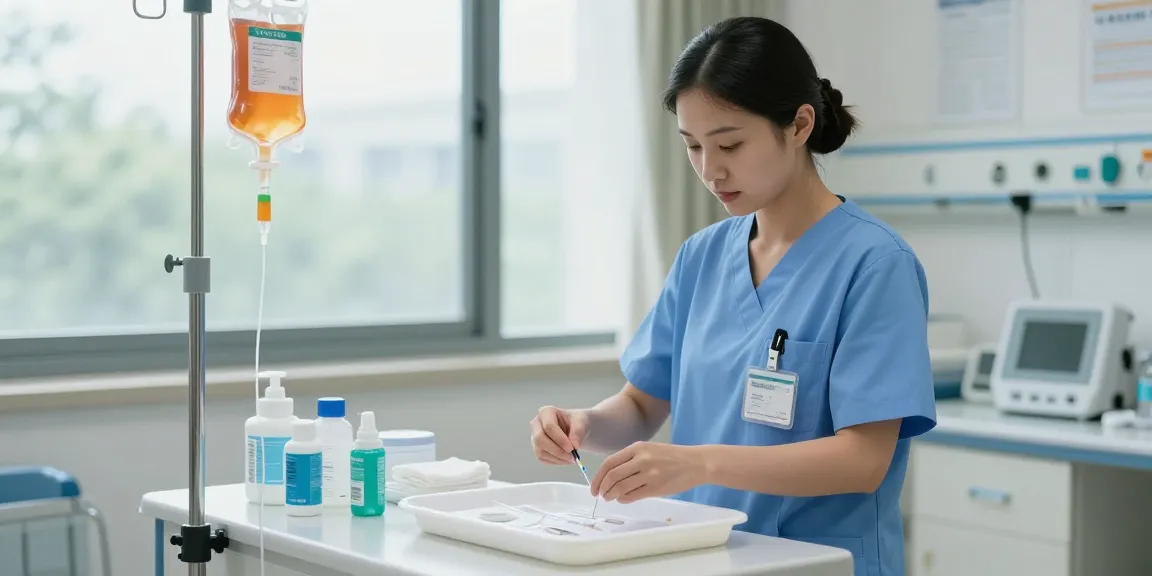
Understanding IV Needles: Types and Uses
Intravenous (IV) needles are key instruments in modern medicine, essential for administering medications, fluids, blood products, and nutrients directly into a patient’s bloodstream. These medical devices facilitate quick and effective treatments, a necessity in critical care scenarios. As healthcare continues to evolve, understanding the different types, proper usage, and advancements in IV needle technology is crucial for healthcare professionals. When exploring options, IV needles serve as a fundamental component in many medical environments.
What Are IV Needles and Their Purpose?
IV needles, commonly referred to as cannulas, are hollow tubes inserted into a patient’s vein to provide direct access to the bloodstream. Their primary purpose is to deliver medications, hydration, and blood transfusions. IV therapy is a standard practice across various settings, including hospitals, outpatient clinics, and emergency care, highlighting the importance of proper administration to ensure patient safety.
Common Types of IV Needles Explained
There are several types of IV needles, each designed for specific clinical situations:
- Peripheral IV Catheters: These are the most common and are typically used for short-term therapy.
- Central Venous Catheters (CVCs): Used for long-term access, these are inserted into larger veins and often cater to patients requiring prolonged treatments.
- Midline Catheters: Positioned between peripheral and central catheters, midlines are ideal for therapies lasting several days to weeks.
- Bone Marrow Needles: These specialized needles are used to access the bone marrow for procedures like biopsies.
Choosing the Right IV Needle for Patients
Selecting the appropriate IV needle is crucial for patient comfort and treatment efficacy. Factors to consider include the patient’s age, vein condition, required duration of therapy, and type of fluid or medication to be administered. For example, neonates may require smaller gauge needles due to their delicate veins, whereas adults may accommodate larger gauges. Matching the needle size to the patient’s needs minimizes discomfort and reduces the risk of complications.
Best Practices for IV Needle Insertion
Proper insertion techniques are vital in ensuring a successful IV placement while minimizing patient discomfort and complications. Following established best practices can greatly enhance outcomes.
Step-by-Step Guide to Proper Insertion Techniques
- Prepare the Equipment: Gather all necessary supplies, including gloves, IV catheter, tourniquet, antiseptic wipes, and tape.
- Select the Site: Identify a suitable vein, typically in the forearm or hand, and apply a tourniquet to engorge the vein.
- Clean the Area: Disinfect the chosen site with antiseptic wipes, allowing it to dry completely.
- Insert the Needle: Hold the skin taut, insert the needle at a 15-30 degree angle, and watch for a flashback of blood in the catheter.
- Secure the Catheter: Once properly placed, secure the catheter with tape and remove the tourniquet.
Common Challenges During IV Insertion
Even experienced healthcare professionals may encounter challenges during IV insertion, such as difficulty locating suitable veins or failure to achieve blood return. Utilizing ultrasound guidance for vein assessment can be beneficial, especially in patients with poor venous access. Additionally, thorough training in palpation techniques can enhance the success rate of placements.
Maintaining Sterility and Patient Safety
Maintaining a sterile environment is paramount to prevent infections during IV therapy. This includes proper hand hygiene, using sterile equipment, and ensuring that the insertion site remains clean. Implementing protocols for site care, such as regular assessments and dressing changes, helps to avert complications and promotes patient safety.
Advancements in IV Needle Technology
With ongoing research and development, IV needle technology is rapidly evolving, aiming to enhance patient comfort and reduce complications associated with IV therapy.
Innovative Designs Enhancing Patient Comfort
Recent innovations include the development of smaller, less invasive needles and catheters with integrated features that minimize discomfort during insertion. Devices such as butterfly needles and atraumatic blunt needles are designed to be less painful and improve patient experience while receiving IV therapy.
The Role of Technology in IV Administration
Technological advancements have led to the integration of smart IV devices that monitor flow rates, detect occlusions, and alert healthcare providers to potential issues. These technologies not only improve the accuracy of IV administration but also enhance patient safety by reducing the likelihood of human error.
Future Prospects for IV Needle Development in 2026
By 2026, we can expect to see further advancements in IV needle design, including materials that promote faster healing or reduce the risk of infection. Research is ongoing into the potential for smart IV needles that can communicate with patient monitoring systems, providing real-time data on patient responses to treatments.
Training and Competence in IV Needle Use
As IV therapy remains a central component of patient care, comprehensive training and ongoing education for healthcare providers are essential to maintaining high standards of practice.
Essential Skills for Healthcare Providers
Healthcare professionals must develop a range of skills related to IV needle insertion, management, and patient education. This includes understanding anatomy and physiology, mastering insertion techniques, and being equipped to handle potential complications.
Continuing Education in IV Therapy Techniques
Continuous professional development through workshops, certifications, and simulations is crucial for practicing healthcare providers. Upskilling in the latest techniques and technologies ensures that practitioners remain competent and confident in their abilities to manage IV therapy effectively.
Evaluating Competency and Refining Skills
Regular assessments of competencies in IV therapy are necessary to identify areas for improvement. Simulation-based evaluations and peer reviews can provide valuable feedback, helping healthcare providers refine their techniques and approach.
Patient Care and IV Needle Management
Effective patient care extends beyond the technical aspects of IV therapy; it encompasses communication, education, and ongoing monitoring.
Preparing Patients for IV Treatments
Clear communication about the IV procedure can help alleviate patient anxiety. Healthcare providers should explain the purpose of the IV, the procedure involved, and what patients can expect. Establishing rapport can significantly enhance the patient’s comfort level.
Monitoring and Managing IV Sites
Routine assessment of IV sites is critical for identifying signs of complications such as infiltration, phlebitis, or infection. Implementing a consistent monitoring schedule can help catch issues early, ensuring timely intervention.
Patient Education on IV Therapy
Patient education should cover the importance of IV therapy, potential side effects, and self-care strategies for managing their IV site. Equipping patients with knowledge empowers them to recognize complications and advocate for their care.
What are the different sizes of IV needles?
IV needles come in a range of sizes, measured by gauge. Commonly used gauges include 14G (large for rapid infusion), 18G (used for trauma), 20G (standard for most adults), 22G (for smaller veins), and 24G (used for pediatrics and neonates).
How do I prevent complications during IV therapy?
To prevent complications during IV therapy, healthcare providers should ensure proper site selection, maintain sterility during insertion, and regularly monitor the IV site for signs of complications. Education on patient compliance with care procedures is equally important.
What should I do if I encounter difficulty during insertion?
If difficulty arises during insertion, it is essential to assess the situation. Attempting to reposition the needle may help, but if unsuccessful, consider using a different site or a different size needle. Consulting with a colleague can provide additional support and expertise.
How often should IV sites be changed?
IV sites should be assessed regularly and changed at least every 72 to 96 hours, or sooner if signs of complication arise. Guidelines on site care can vary, so staying updated with institutional protocols is essential.
What innovations are expected in IV needle technology by 2026?
Expect innovations such as enhanced materials for IV needles that reduce pain and promote healing, integrated sensors for improved monitoring, and automation in IV delivery systems that enhance patient outcomes while minimizing healthcare provider workload.
